Compare Local Contractors for Interior Home Improvements Effectively
Compare local contractors to define project scope, verify experience, and set clear expectations in writing for successful interior home improvements.
Interior home improvement projects encompass a wide range of work aimed at enhancing the functionality, comfort, and aesthetic appeal of indoor living spaces. Typical tasks include remodeling kitchens and bathrooms, installing new flooring, updating lighting fixtures, painting walls, and upgrading cabinetry or countertops. These projects often involve coordinating various trades and materials to achieve a cohesive result. Understanding the scope of work needed helps property owners communicate clearly with service providers and ensures that all aspects of the project are considered from the outset.
Clearly defining the scope of an interior improvement project is essential for setting expectations and avoiding misunderstandings. A detailed scope outlines specific tasks, materials, finishes, and desired outcomes, serving as a reference point throughout the project. This clarity helps property owners identify the expertise required and ensures that contractors understand what is expected. When scope details are documented in writing, it provides a basis for comparing proposals, managing changes, and holding service providers accountable for delivering the agreed-upon work.
Comparing local contractors involves assessing their experience, reputation, and ability to meet project requirements. Property owners are encouraged to verify the backgrounds of service providers, review portfolios of completed work, and seek references or testimonials. It’s also helpful to ask about the types of projects they have handled and their familiarity with the specific improvements planned. When evaluating contractors, paying attention to how well they understand the scope and their approach to communication can help determine how effectively they will manage the project. Making informed comparisons ensures property owners can choose service providers capable of meeting their interior home improvement needs.
Compare local contractors by outlining priorities, verifying experience, and clearly defining project scope and expectations.
- Compare Contractor Credentials - Review the experience and background of local contractors to ensure they meet your project needs.
- Define Project Scope Clearly - Establish detailed expectations and work specifications before starting the project.
- Verify Experience and Past Work - Assess previous projects and client references to gauge a contractor’s expertise.
- Document Agreements in Writing - Ensure all project details, responsibilities, and expectations are documented to prevent misunderstandings.

Clearly describe your interior home improvement project to effectively compare options, verify experience, and set expectations with local contractors.
- Verify experience and expertise in interior home improvement projects. - Ensure service providers have a proven track record handling similar interior upgrades.
- Define the scope of work clearly in writing before starting. - Make sure all project details, materials, and expectations are documented and agreed upon.
- Compare multiple local contractors to assess their reputation and quality of work. - Research reviews, references, and past projects to gauge reliability and craftsmanship.
- Check that service providers understand your design preferences and functional needs. - Communicate your vision and requirements to ensure alignment on project goals.
- Request detailed written proposals outlining the scope, materials, and work process. - Obtain comprehensive documents to facilitate comparisons and clarify expectations.
- Confirm that service providers are transparent about their processes and timelines. - Ensure they can provide clear explanations of how the project will proceed and what to expect.
Compare local contractors, clarify project scope, verify experience, and set clear expectations in writing.
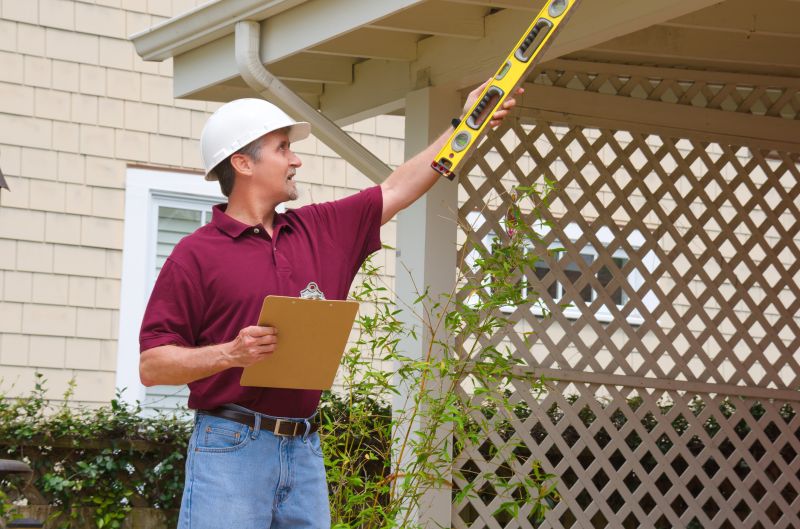


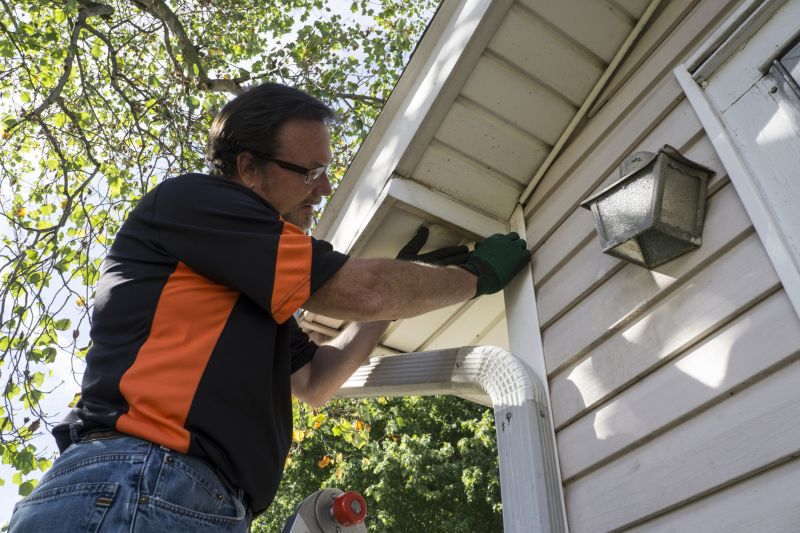
Use clear, consistent comparisons of scope, experience, and written expectations to effectively evaluate local contractors.
- Project Scope - Clearly define the specific interior improvements to be completed, including rooms, features, and materials.
- Design Preferences - Identify desired styles, finishes, and overall aesthetic to guide contractor selection.
- Experience and Expertise - Verify that local contractors have relevant experience in interior home improvements similar to the project scope.
- Work Specifications - Document detailed descriptions of work tasks, materials, and quality standards expected for the project.
- Written Agreement - Ensure all scope details, expectations, and responsibilities are documented in a comprehensive written agreement.
When evaluating contractors for interior home improvement projects, it is important to consider their experience with similar types of work. A contractor with a proven track record in projects comparable to your own can demonstrate familiarity with the specific challenges and requirements involved. Asking about past projects or requesting references related to similar work can provide insight into their expertise and reliability. This helps ensure that the service providers you consider have the practical knowledge needed to handle your interior improvements effectively.
A clear, written scope of work is essential when comparing contractors. A detailed description of the tasks, materials, and expectations helps prevent misunderstandings and sets a foundation for effective communication. Service providers should be able to outline what is included and what is not, providing transparency and helping you understand exactly what will be delivered. Having a well-defined scope also makes it easier to compare proposals and evaluate which contractor's approach aligns best with your project goals.
Verification basics are key to assessing the credibility of local contractors. While licensing and certifications are not the focus here, verifying their reputation through references, reviews, or portfolio examples can offer valuable assurance. Confirming that a contractor has successfully completed similar projects and has satisfied previous clients can reduce uncertainty. Additionally, checking for consistent professionalism and responsiveness during initial interactions can indicate their reliability and commitment to quality work.
When comparing options, it is helpful to evaluate how well each contractor understands and communicates the scope of your project. Look for service providers who can articulate their approach clearly and provide comprehensive written proposals. This not only ensures that expectations are aligned but also helps you assess their professionalism and attention to detail. By focusing on experience, scope clarity, and verification, homeowners can make informed decisions when selecting local contractors for interior home improvements, leading to a smoother and more successful project outcome.
Ask contractors to provide written scope details to ensure clear expectations and consistent project understanding.
- Experience and Expertise - What specific experience do local contractors have with the type of interior improvements needed?
- Scope of Work - How clearly do contractors define the scope of work and outline project deliverables?
- Project Approach - What methods or processes do service providers use to ensure quality and consistency?
- Communication and Expectations - How do local contractors document project details and set expectations in writing?
- Previous Work and References - Can contractors provide examples or references that demonstrate their experience with similar projects?
How can I compare interior home improvement contractors? Reviewing credentials, reading customer reviews, and requesting detailed scope descriptions can help compare local service providers effectively.
What should I consider when defining the scope of work? Clearly outlining the desired improvements, materials, and specific tasks ensures contractors understand the project requirements and expectations.
How do I verify a contractor’s experience? Asking for examples of past projects, checking references, and confirming their familiarity with similar interior improvements can provide insight into their expertise.
Why is it important to get everything in writing? Documenting the scope, materials, and responsibilities helps prevent misunderstandings and provides a reference throughout the project.
What questions should I ask potential service providers? Inquire about their process, previous experience, and how they handle project challenges to assess their professionalism and approach.
How can I ensure the contractor understands my vision? Communicating your expectations clearly and confirming that they can meet your needs helps align the project goals with the service provider’s approach.
Understanding the key points about interior home improvement contractors can help in making informed decisions. Visitors learned how to effectively compare local service providers, establish clear project scope, verify their experience, and ensure all expectations are documented in writing. This approach promotes transparency and helps set a solid foundation for any interior renovation project.
To find the right contractor for interior home improvements, use the quote form to explore and compare local service providers. This process can assist in identifying options that align with specific project needs and preferences, making it easier to connect with trusted professionals who can handle the job.